

KeyAuth is a widely used authentication system designed to protect software—primarily in the gaming and "modding" communities—from unauthorized access and piracy. An "essay" on bypassing KeyAuth explores the perpetual arms race between software developers and crackers, highlighting the technical vulnerabilities and ethical dilemmas inherent in Digital Rights Management (DRM). The Technical Landscape of Authentication
. While it provides robust server-side validation, no licensing system is entirely immune to bypassing if the client-side binary is not properly hardened. Common Bypassing Techniques keyauth bypass
Implement HWID binding combined with a server-generated nonce that expires in 60 seconds. KeyAuth supports this via init with HWID checking. KeyAuth is a widely used authentication system designed
: A vulnerability in an API allowed an attacker to submit a specially crafted request that bypassed token validation, granting unauthorized access. Introduction Example 2 : A vulnerability in an
: Some open-source repositories are dedicated specifically to building tools that automate these cracks for specific applications. KeyAuth (Academic Paper)
: If sensitive data is only hidden during runtime, attackers can "dump" the program's memory to extract active API endpoints or licenses that were supposed to be protected. Deep Security Features to Prevent Bypasses
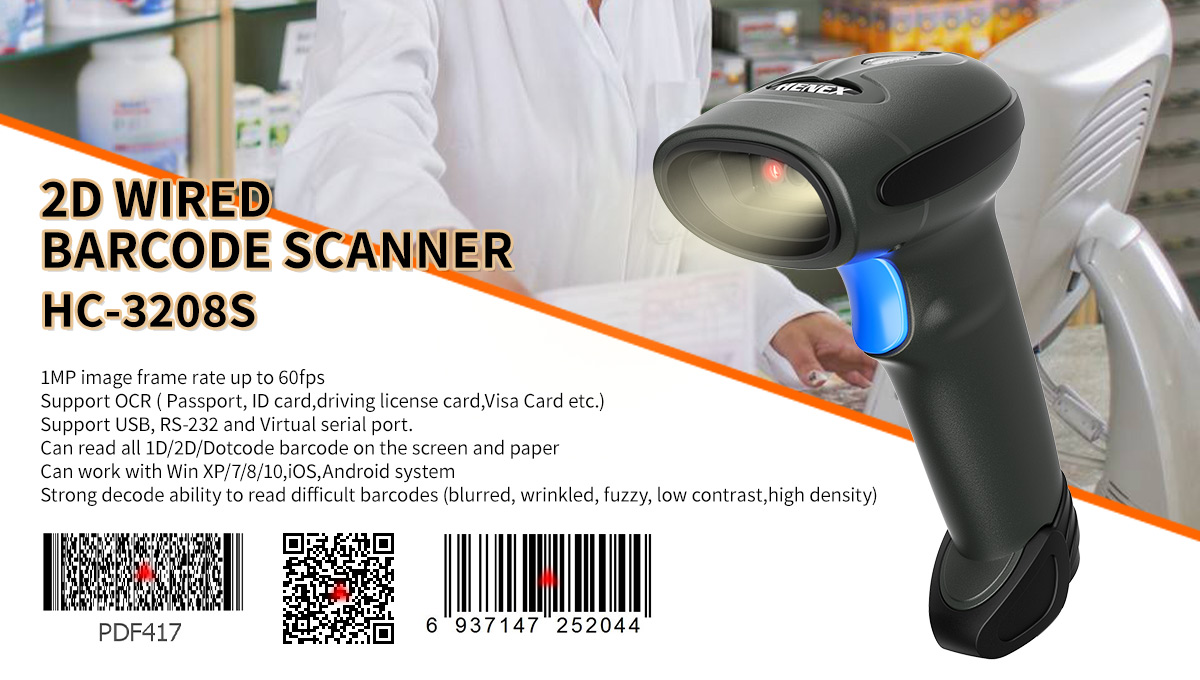
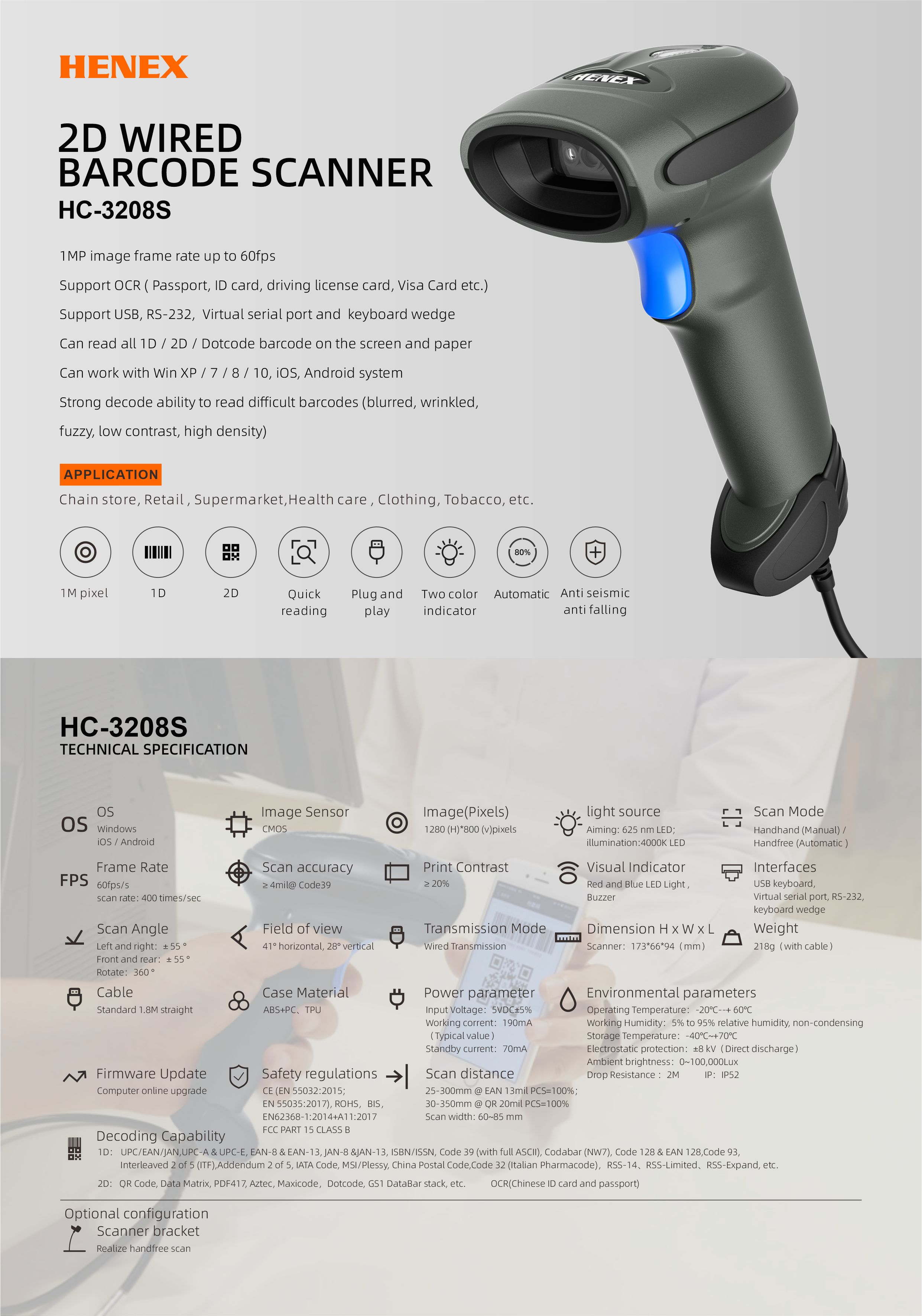
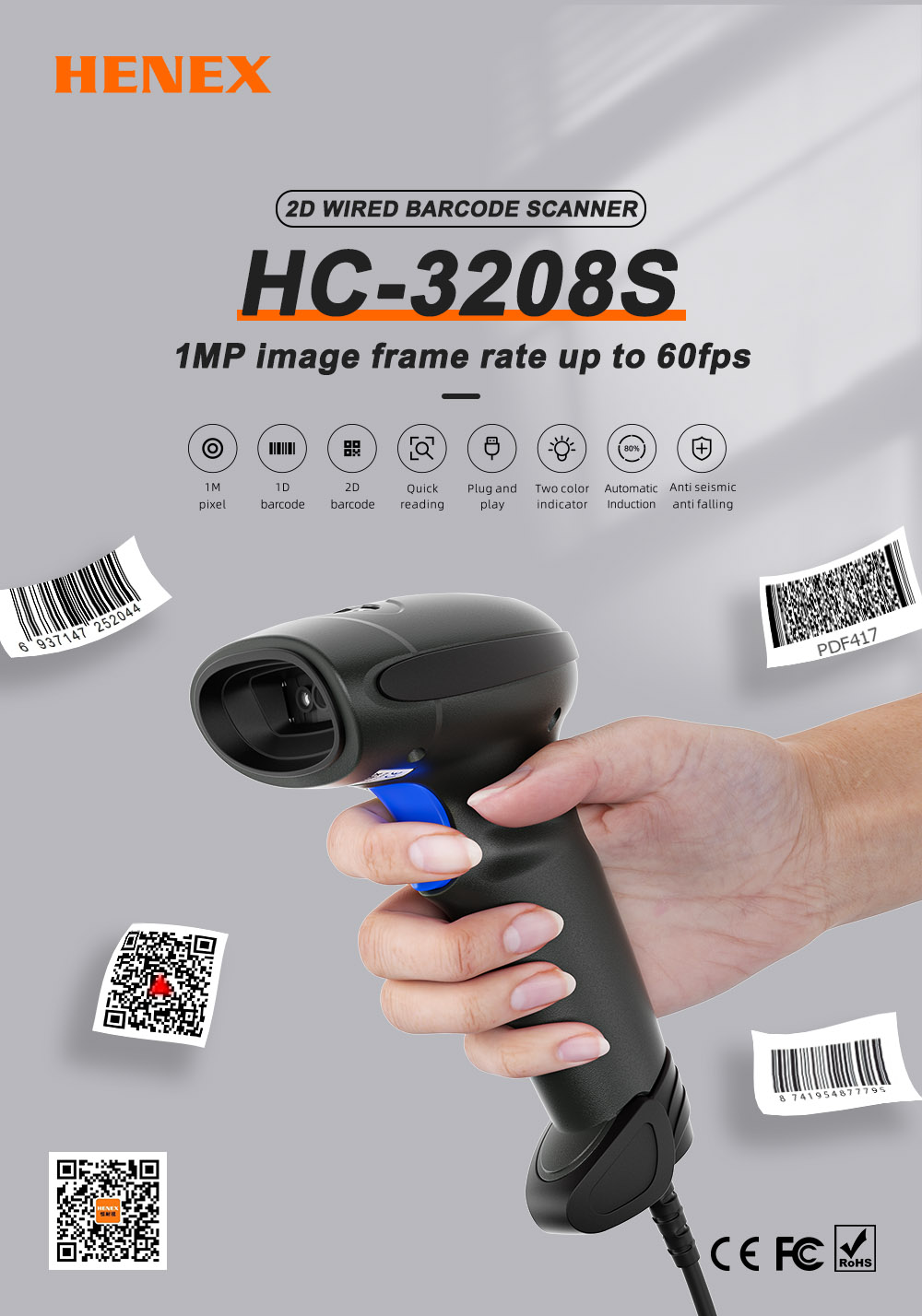
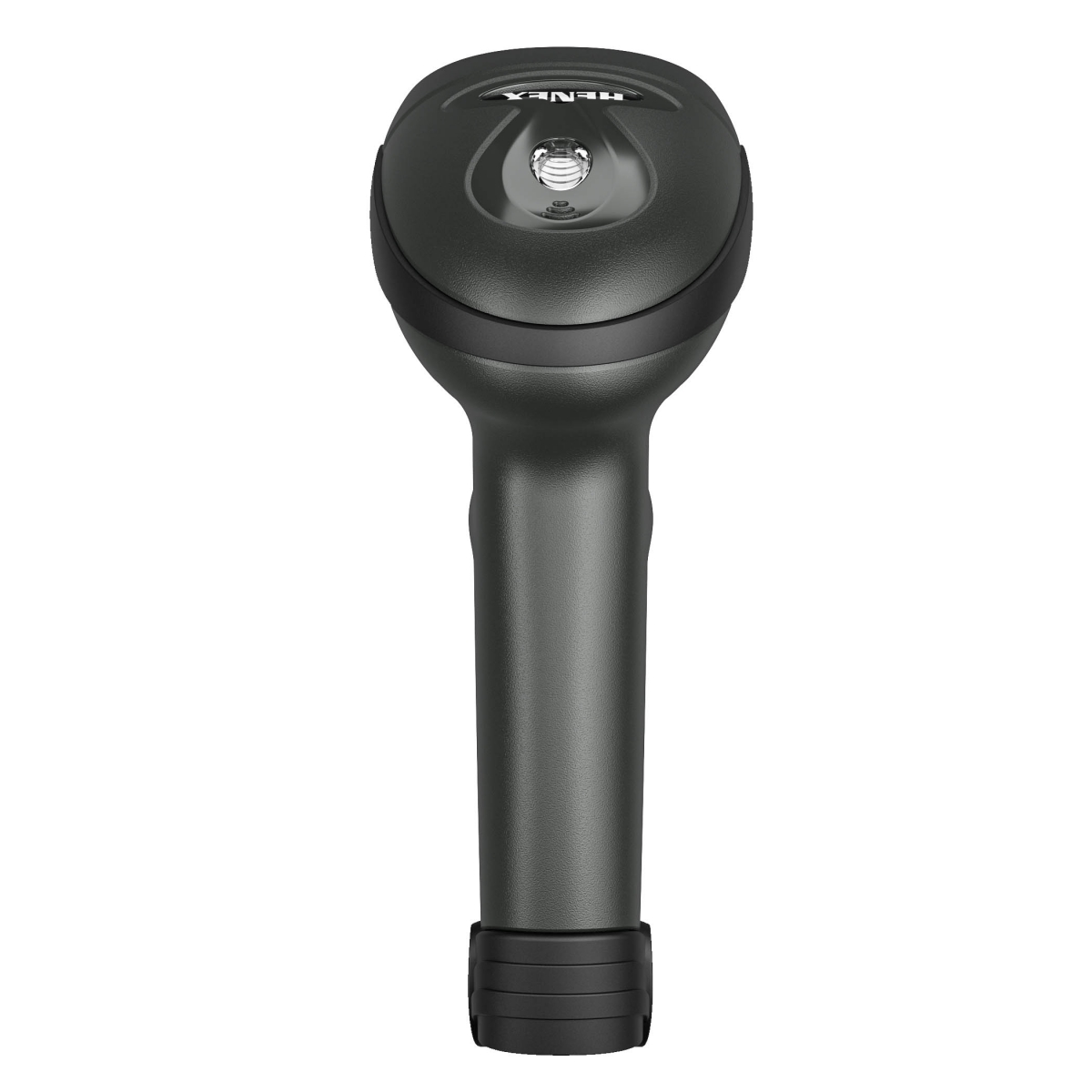
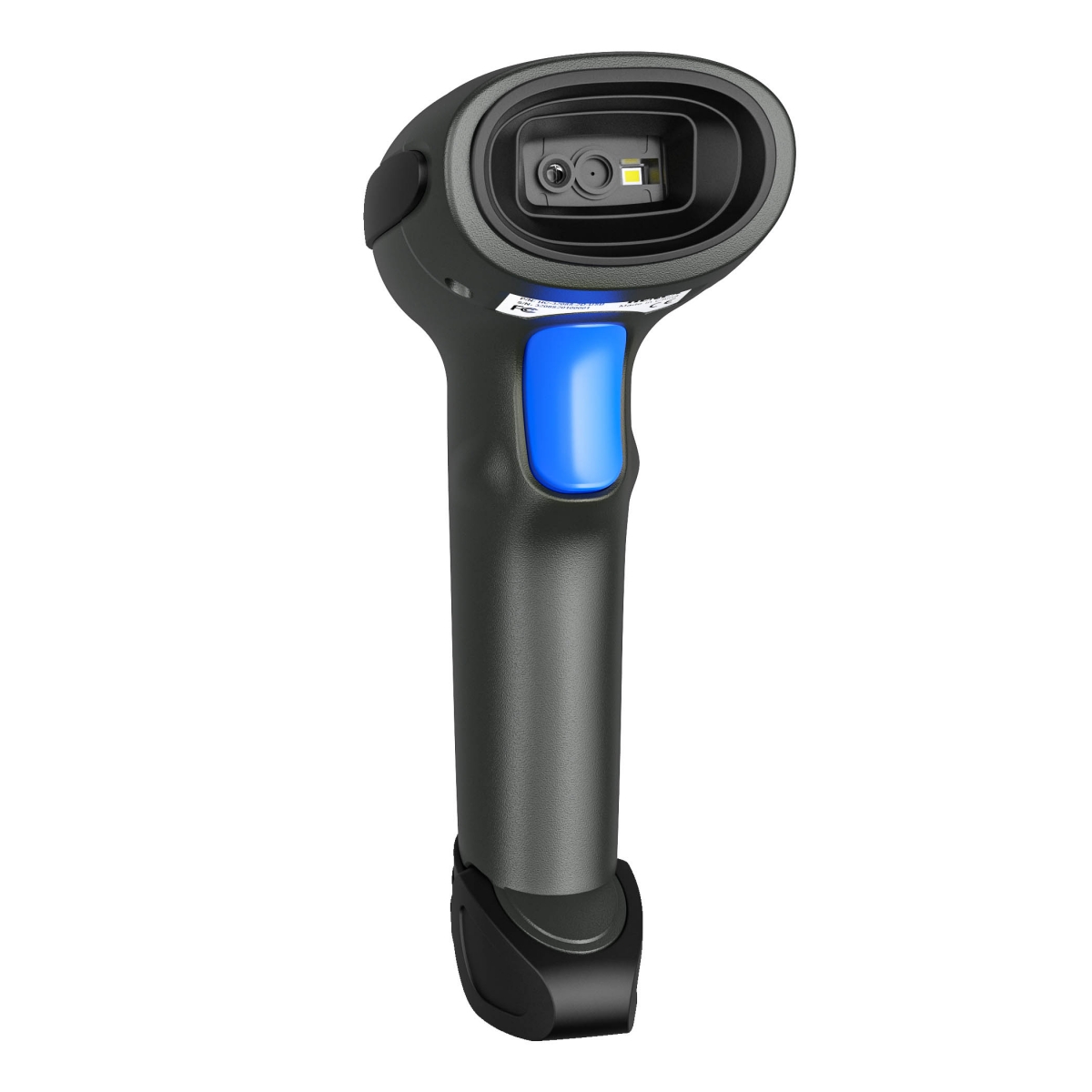
· 1MP image frame rate up to 60fps
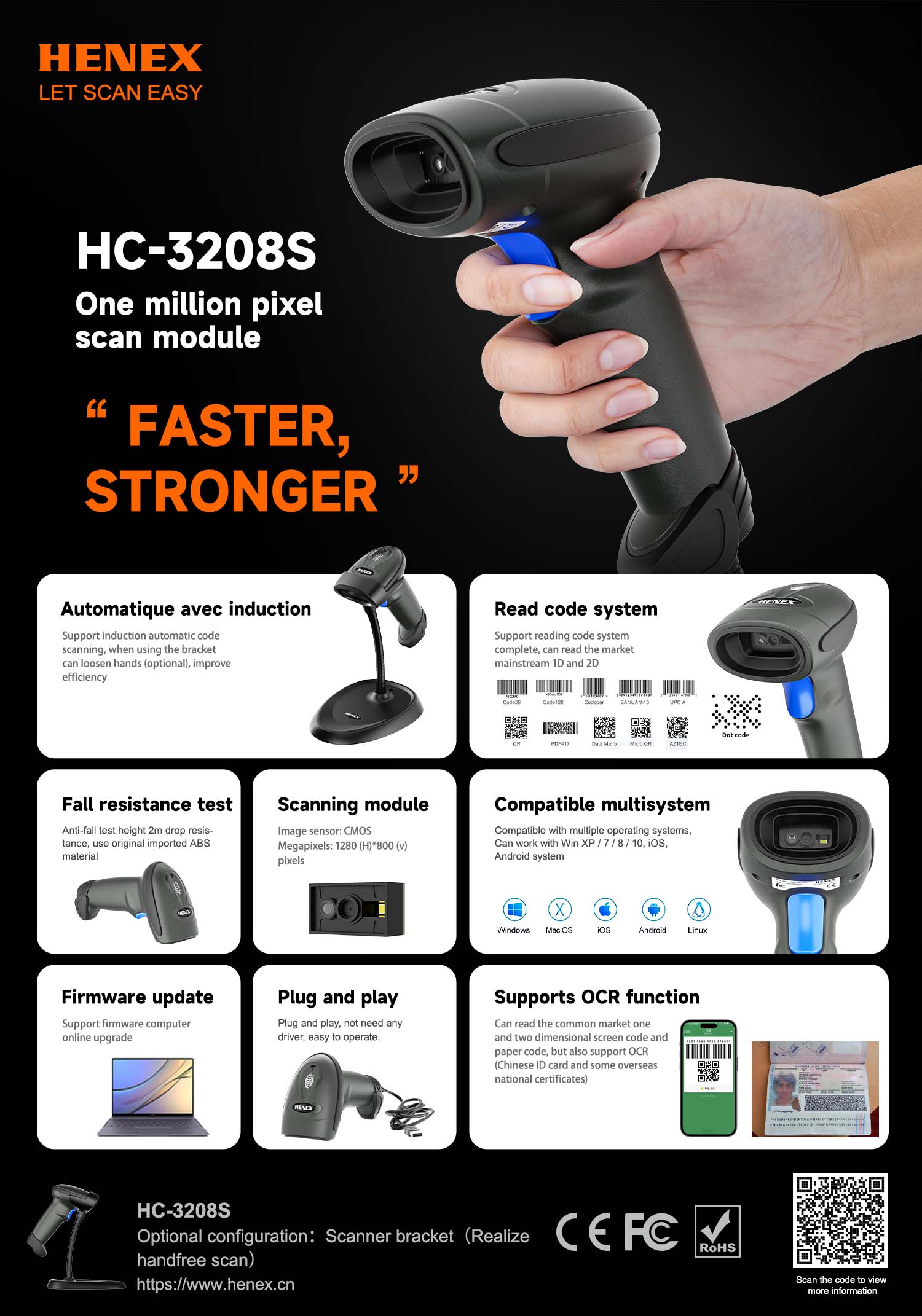
· Support OCR ( Passport, ID card,driving license card,Visa Card etc.)
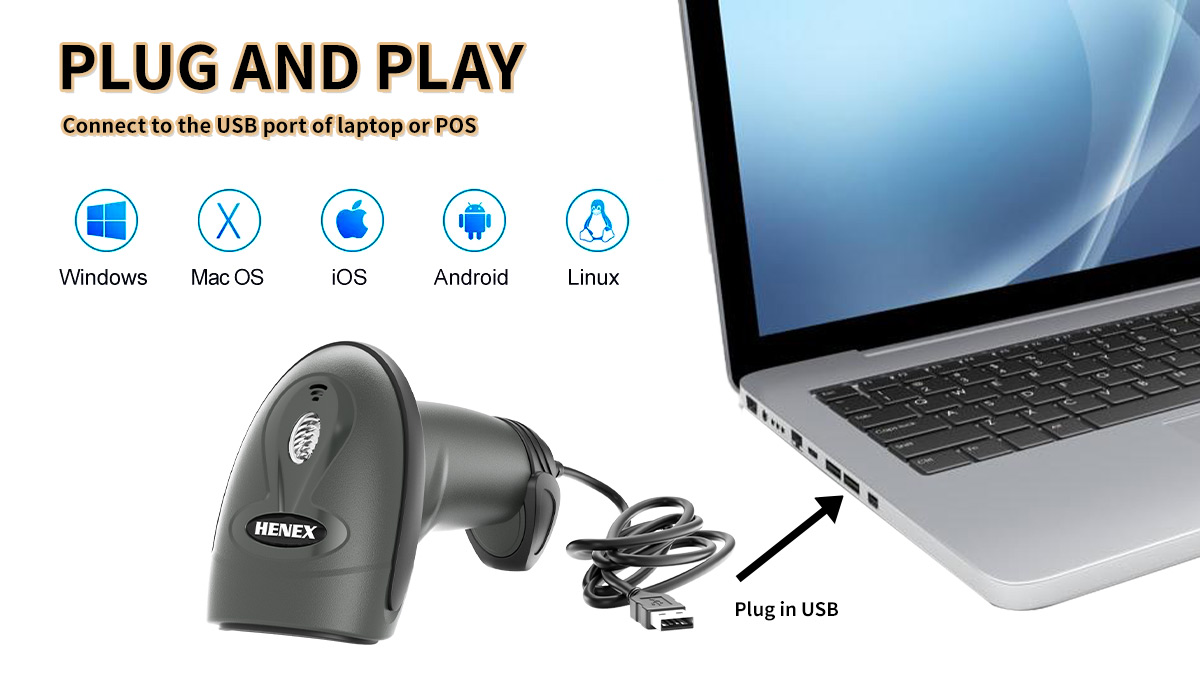
· Support USB, RS-232 and Virtual serial port.
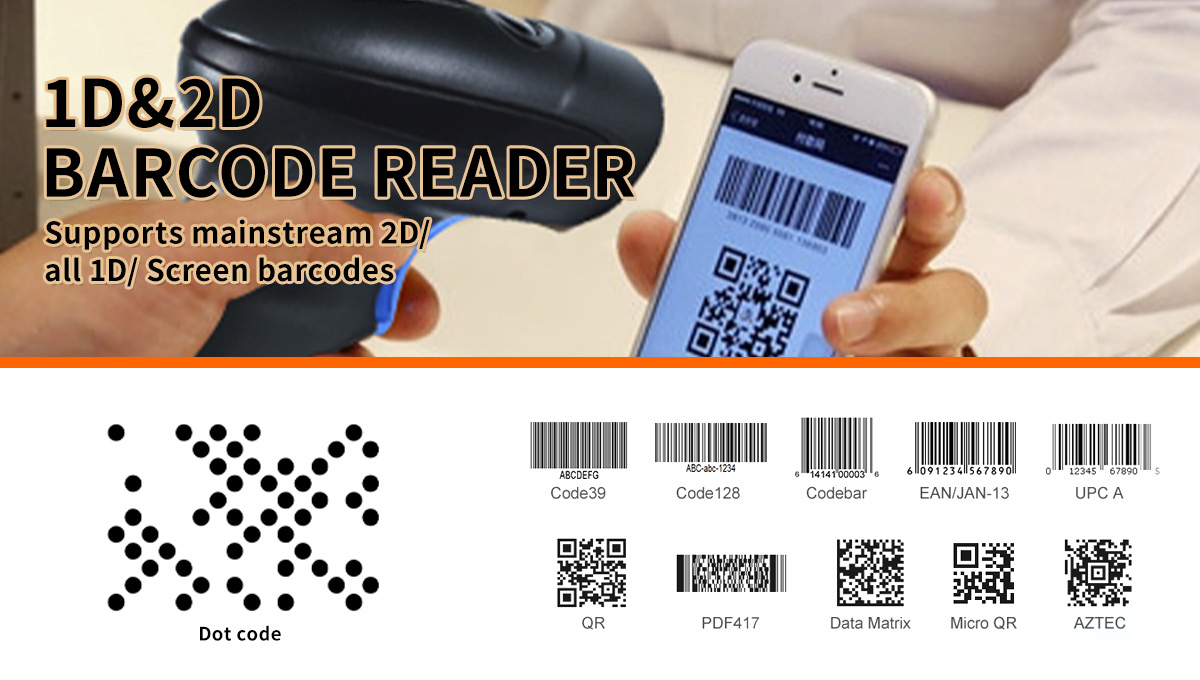
· Can read all 1D/2D/Dotcode barcode on the screen and paper
· Can work with Win XP/7/8/10,iOS,Android system
· Strong decode ability to read difficult barcodes (blurred, wrinkled,
fuzzy, low contrast,high density)
Chain store,Retail,Supermarket,Health care,Clothing,Tobacco,etc.