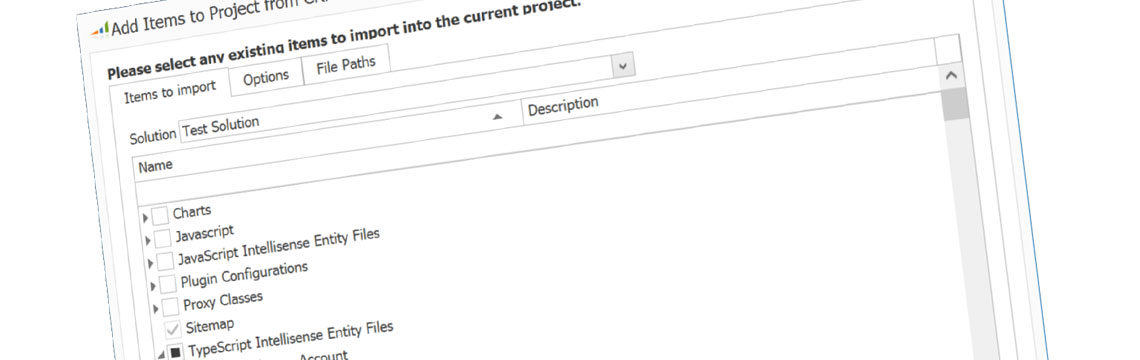
Download webresources, reports and other CRM assets directly into Visual Studio®. Learn More
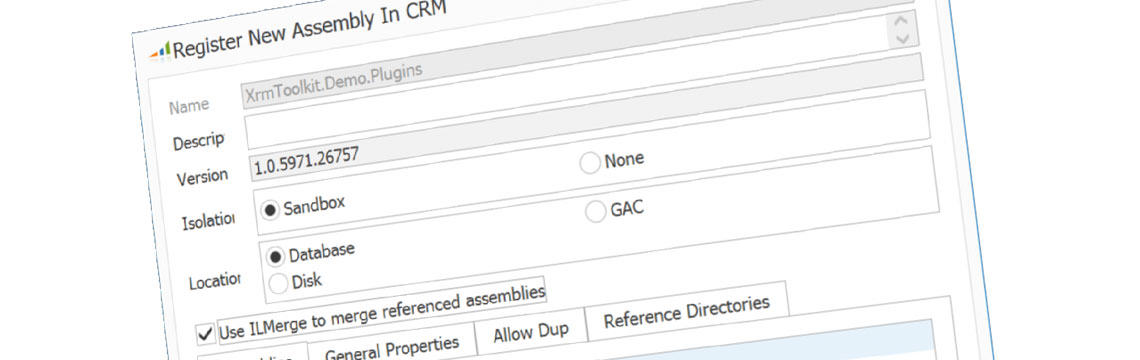
Register and upload a plugin assembly in CRM, using ILMerge, with the click of a button. Learn More
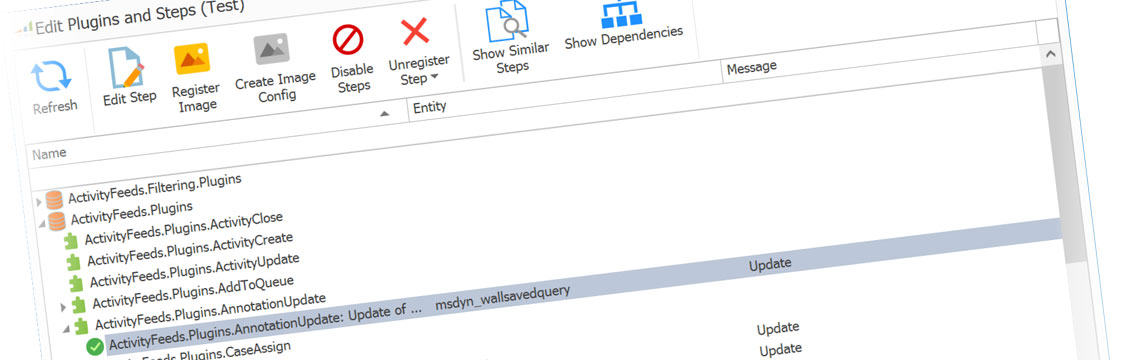
Enhanced Plugin registration tool, allowing you to register multiple steps at once, check for dependencies, or download the DLL from CRM. Learn More
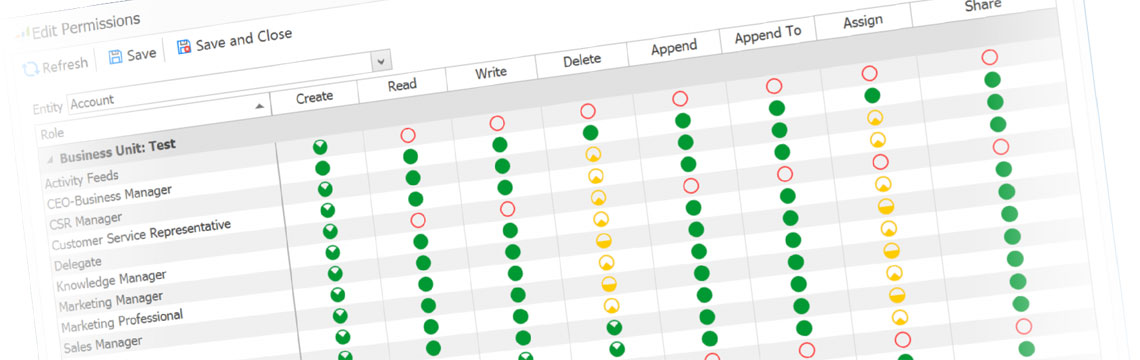
Edit privileges for an entity for all roles at once. Learn More
Discipline is not a one-time event; it is a continuous act of maintenance. The phrase "mood pictures maintenance of discipline patched" suggests a process of repairing one's focus and emotional state through visual or mental "patches" when the initial resolve begins to wear thin. 🧩 The Concept of the "Patch"
For all its goodwill, the movement forced a question: what did patching conceal? A building with a boarded window could be patched by a kind coat of paint, or by the quiet redirection of funds to another, shinier project. Sometimes a notice that said PATCHEd did mean the problem had been temporarily staunched, not solved. A bridge’s patched beam might only hold until the budget allowed for full replacement. People started to worry about complacency: that patching could be used as a pretext to avoid surgery where surgery was due.
All-or-nothing thinking after missing a workout. Solution: Photograph your gym shoes tossed in the corner (mood: defeat). Then, a picture of you doing just one stretch or walking for five minutes (mood: maintenance patched). This visual chain retrains the brain to value continuity over intensity. mood pictures maintenance of discipline patched
– Fragmented or temporarily fixed
By viewing images of "patched" order—such as a perfectly stitched leather notebook or a disciplined morning routine—your brain begins to associate "repair and maintenance" with "identity." You aren't just someone trying to be disciplined; you are someone who maintains a system. 3. Maintenance of Discipline: The "Patched" Methodology Discipline is not a one-time event; it is
Adopt a strict naming syntax.
The audio patch kicked in. It wasn't the low frequency hum Elias had selected. The algorithm had blended it with the residual static noise. The result was a sound like wet breathing, amplified a thousand times, coming from the surround speakers. A building with a boarded window could be
In the digital age, maintaining discipline within any organization—be it a corporate office, a military battalion, a school, or even a remote freelance team—has become notoriously difficult. The traditional methods of quarterly reviews, written warnings, and procedural handbooks often feel sterile and detached. They lack emotional resonance.

